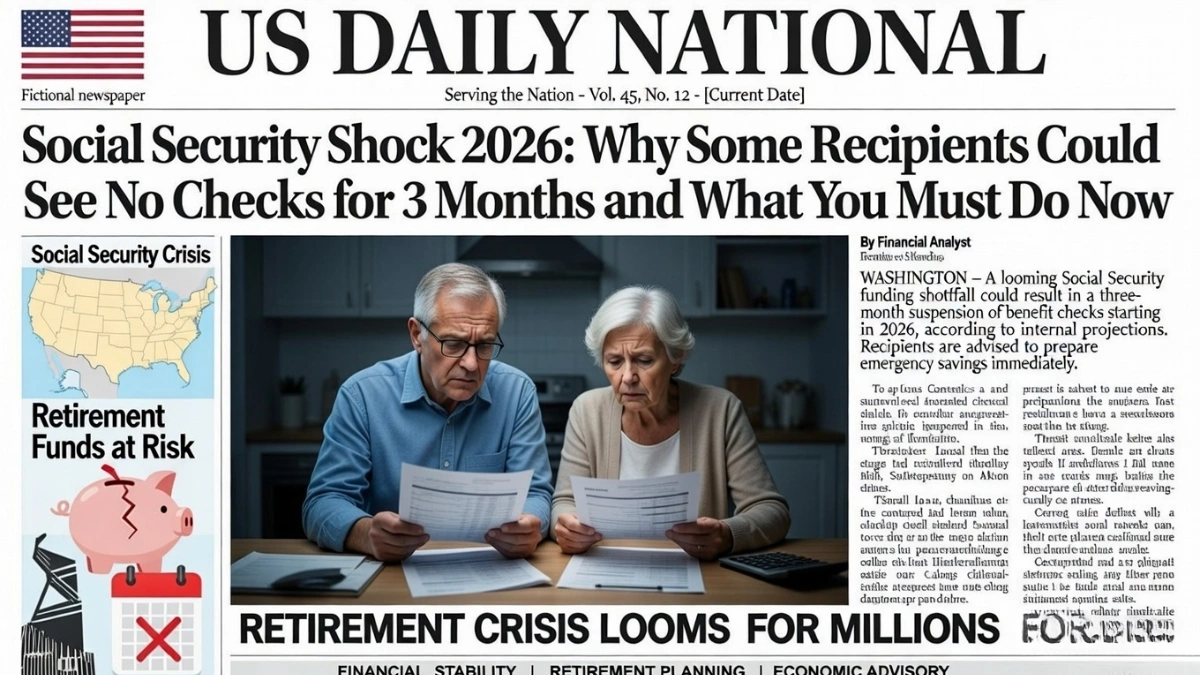
Millions of Americans depend on Social Security benefits each month to cover essential expenses such as housing, groceries, and healthcare. Recently, the 2026 payment calendar has sparked concern after reports suggested that some recipients could go through three months without receiving a check. The situation has created confusion among beneficiaries who rely on these payments for their daily living.
However, the reality behind this issue is not a benefit cut. Instead, it is related to how the Social Security Administration schedules certain payments throughout the year.
Why Some Recipients Won’t Receive Checks for Three Months
The situation mainly affects individuals who receive Supplemental Security Income, commonly known as SSI. These payments are usually sent on the first day of each month. When the first day falls on a weekend or a federal holiday, the payment is issued earlier on the previous business day.
Because of the way the calendar falls in 2026, several payments will be sent earlier than usual. As a result, some months will appear to have no payment even though the money was already deposited at the end of the previous month.
The months that may appear to have no SSI payment include March, August, and November of 2026.
How the 2026 Payment Schedule Creates Confusion
In these cases, recipients will receive their benefits earlier than normal. For example, the payment intended for March will be issued at the end of February. Similarly, the payment for August will be deposited at the end of July, and the payment for November will arrive at the end of October.
Since the deposit happens before the month begins, it can create the impression that the next month has no payment. In reality, beneficiaries are still receiving the same number of payments throughout the year.
Who Will Be Affected by This Change
This scheduling change mainly impacts people receiving SSI benefits, which are designed for low-income seniors and individuals with disabilities who have limited financial resources.
Regular Social Security retirement and disability payments follow a different schedule based on the recipient’s birth date. Those payments will continue to arrive normally during the year and are not affected by this calendar shift.
What Beneficiaries Should Do Now
Even though benefits are not being reduced, it is important for recipients to understand the payment timing. Planning ahead can help avoid confusion and budgeting problems.
Beneficiaries should review the 2026 SSI payment calendar carefully, keep track of deposits that arrive earlier than expected, and plan monthly expenses accordingly. Monitoring bank accounts and official Social Security updates can also help ensure payments are received as scheduled.
Important Reminder for Social Security Recipients
Despite headlines suggesting missing checks, Social Security benefits are not being canceled or reduced in 2026. The change simply reflects how the calendar interacts with federal payment rules.
Recipients will still receive all of their payments for the year, although some of them will arrive earlier than usual.
What This Means for SSI Beneficiaries
The so-called three-month payment gap in 2026 is mainly the result of early deposits caused by the calendar schedule. While it may initially look like a missing payment, beneficiaries will continue receiving their full annual benefits.
For millions of Americans who depend on SSI, staying informed about payment dates and planning ahead will help ensure financial stability throughout the year.